Petrovietnam and the challenge of achieving double-digit economic growth


 "Sao chép liên kết


In the context of the country aiming to maintain high economic growth rates for many years to come, the requirements for state-owned economic groups are not only to maintain their pivotal role in traditional sectors but also to open up new development opportunities. For Petrovietnam, the challenge of double-digit growth is not simply about increasing oil and gas production, but about transforming from a traditional oil and gas corporation into an integrated industrial and energy group, playing a leading role in developing the marine economy and ensuring national energy security.
 |
| Petrovietnam has many favorable conditions to participate in the development of the marine energy industry. |
To realize that goal, in addition to leveraging traditional growth drivers, perfecting the legal framework and developing new mechanisms and policies to facilitate Petrovietnam's deeper participation in marine economic sectors is becoming an urgent requirement.
For decades, the oil and gas industry, with Petrovietnam at its core, has been one of the leading economic sectors, making significant contributions to the state budget, the trade balance, and national energy security. However, Petrovietnam's operations are facing enormous challenges and difficulties, especially since its key fields are in a state of natural decline, and most of the remaining fields are located in deep-water, offshore areas with complex geological conditions and high investment costs. Meanwhile, the energy demand of the economy continues to increase. Major hydropower sources have been almost fully exploited; coal-fired power plants face pressure regarding the environment, emissions, and fuel supply; and requirements for green transition and emission reduction are increasingly becoming mandatory standards in international trade.
This necessitates the search for new growth drivers, not only for Petrovietnam but for the entire national energy sector. And the sea is the largest and most promising area for development.
With over 3,260 km of coastline, an exclusive economic zone spanning over one million km², and offshore wind potential among the best in Asia, Vietnam possesses a unique advantage for developing marine energy industries.
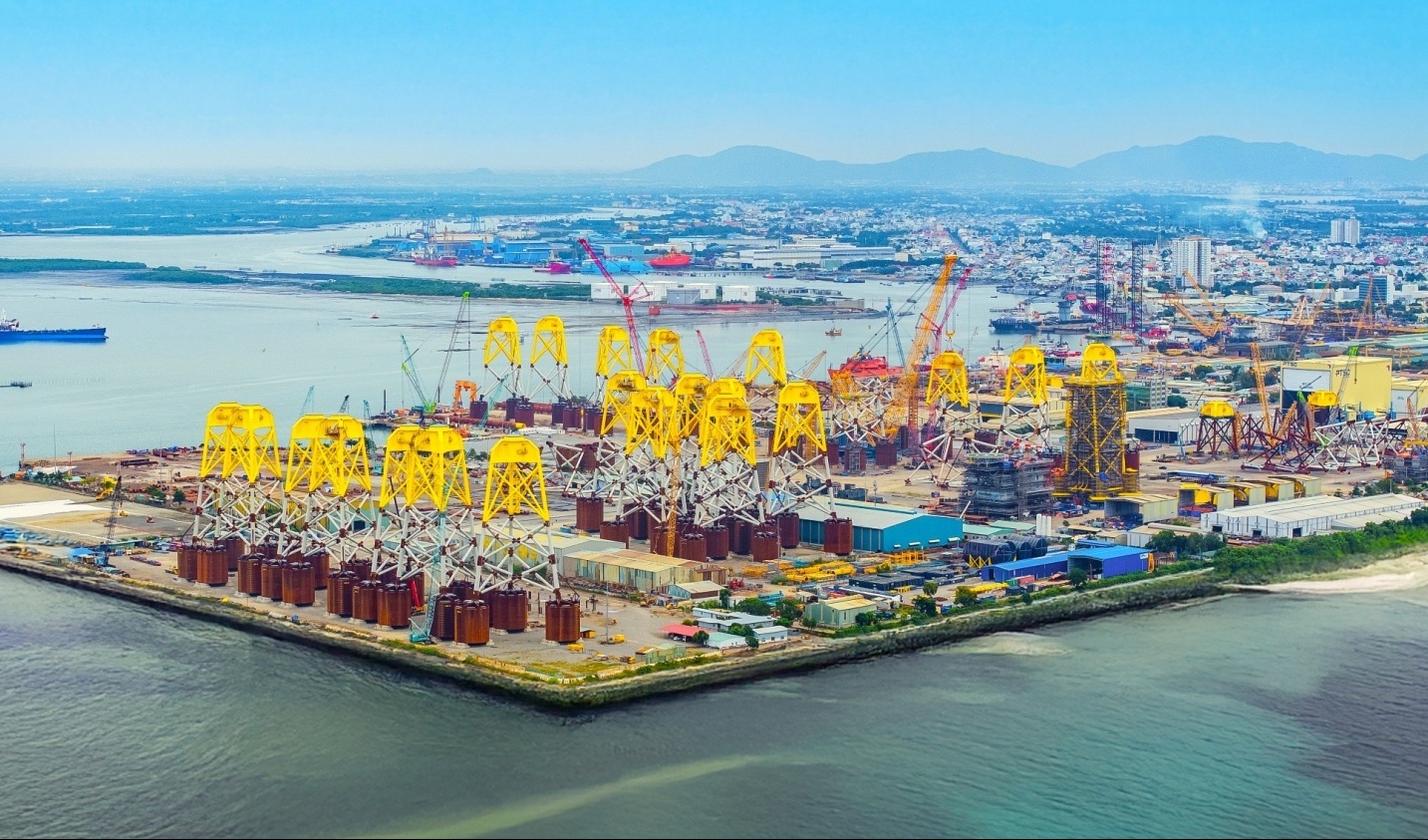
This is also an area where Petrovietnam has many favorable conditions to participate. After decades of operation at sea, Petrovietnam has accumulated a comprehensive infrastructure system, technical team, geological survey capabilities, construction and operation of offshore structures, and a synchronized technical service chain that very few domestic enterprises possess.
These capabilities can be fully transformed into a competitive advantage in new areas such as offshore wind power, green hydrogen production, green ammonia production, carbon capture and storage (CCS), engineering services for offshore energy projects, and the development of large-scale coastal energy-industrial centers.
This is not just a story about expanding business sectors, but also about the process of forming a modern marine industrial ecosystem, creating new revenue streams, new jobs, and new competitiveness for the economy.
Upgrading oil and gas legislation to broaden the scope of development.
The 2022 Petroleum Law has brought about many positive changes in removing bottlenecks to oil and gas exploration and production activities. However, in the context of the ongoing global energy transition, many legal provisions still need to be studied and supplemented to suit the new development model.
In reality, the lines between the oil and gas industry and the offshore energy industry are increasingly blurring. Many of the world's largest oil and gas corporations have become leading investors in offshore wind power, green hydrogen, and carbon emission reduction projects.
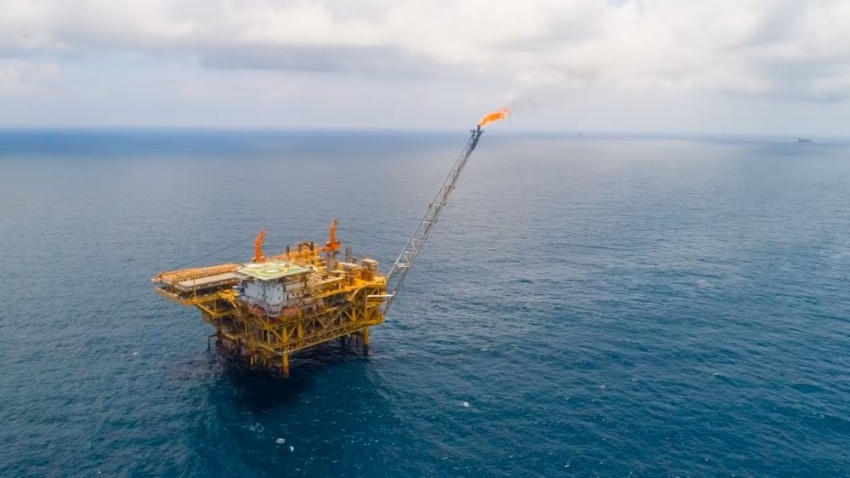 |
| The 2022 Petroleum Law has brought about many positive changes in removing bottlenecks to oil and gas exploration, production, and exploitation activities. |
Therefore, the legal system needs to be improved to allow for more efficient exploitation of existing assets, infrastructure, and capabilities of the oil and gas industry to serve the development of offshore energy. At the same time, a clear legal framework is needed for the shared use of offshore infrastructure, combining oil and gas exploration with offshore wind power, carbon storage, and other marine economic activities.
A comprehensive legal framework will help reduce investment costs, minimize procedural overlaps, and improve the efficient use of national resources.
Besides improving the legal framework, it is equally important to build strong mechanisms and policies that enable Petrovietnam and its member units to participate more deeply in strategic maritime economic sectors.
Offshore wind power is a prime example. It's an industry with massive investment, lengthy preparation times, and demanding complex technical capabilities. Without sufficiently attractive policies regarding surveying, licensing, grid connection, electricity pricing, and capital mobilization, it's very difficult to develop large-scale projects.
Meanwhile, Petrovietnam's member units such as PTSC, PVC-MS, Vietsovpetro, and other oil and gas technical service enterprises are fully capable of participating deeply in the offshore wind power supply chain, from surveying, foundation fabrication, transportation, installation to operation and maintenance.
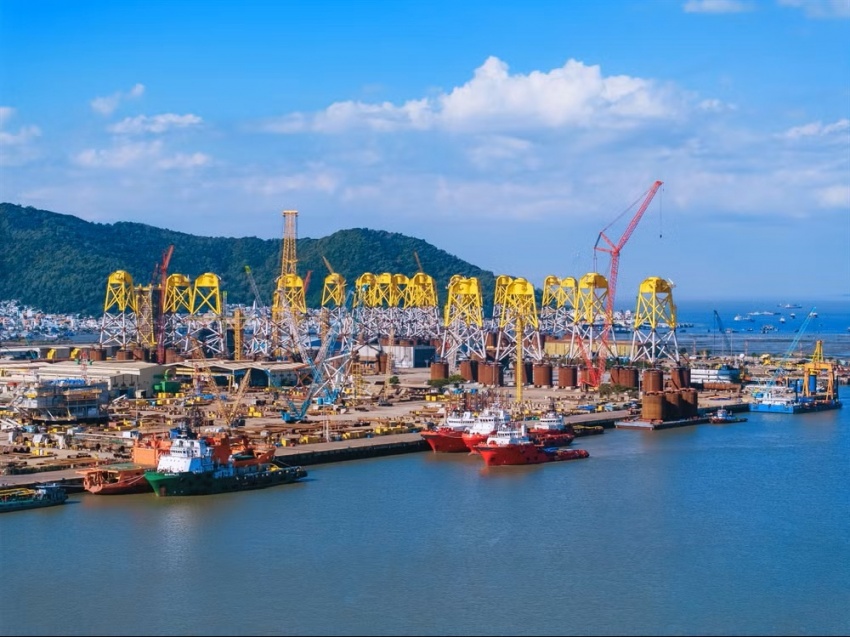 |
| It is necessary to build sufficiently strong mechanisms and policies to enable Petrovietnam and its member units to participate more deeply in strategic maritime economic sectors. |
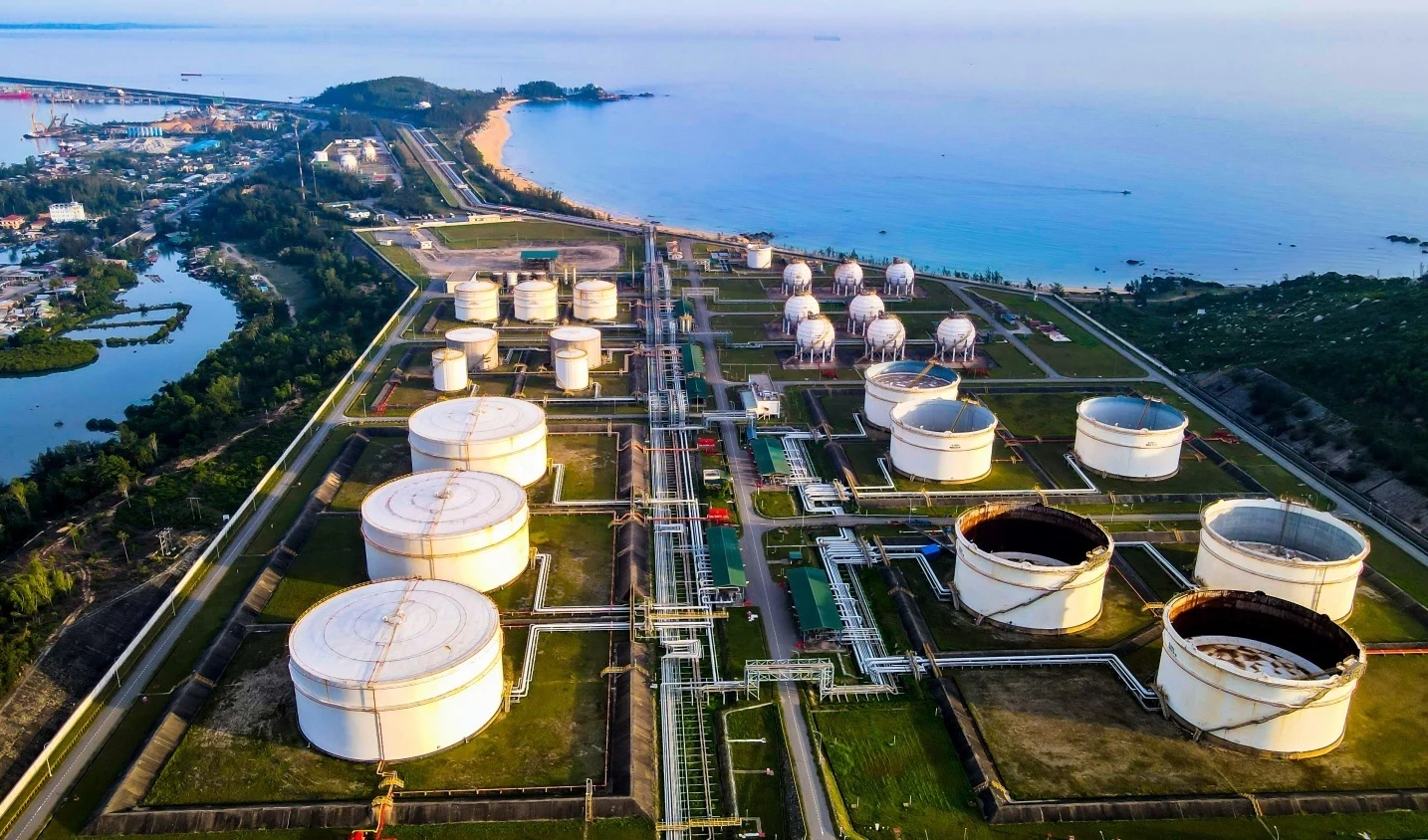
Similarly, the construction of eco-industrial and energy centers in coastal areas such as Ba Ria - Vung Tau (Ho Chi Minh City), Quang Ngai, Thanh Hoa, or Ca Mau could create new growth poles based on the connection between oil and gas, liquefied natural gas (LNG), gas-fired power, offshore wind power, petrochemicals, green hydrogen, and supporting industries.
Given the right mechanisms, Petrovietnam could absolutely play a pivotal role in the formation of these new industrial ecosystems.
Petrovietnam's double-digit growth is significant not only for the corporation itself. As a key state-owned enterprise in the energy sector, every step of Petrovietnam's development has a ripple effect on many other economic sectors. At the conference summarizing the work of the first six months and outlining tasks for the last six months of 2026, Politburo member and Standing Deputy Prime Minister Pham Gia Tuc emphasized: Given Petrovietnam's current scale, even a 1% increase in growth would create immense value for the overall economic growth.
Permanent Deputy Prime Minister Pham Gia Tuc also highly appreciated Petrovietnam's role in ensuring national energy security.
He cited the example that if Vietnam did not have the Dung Quat and Nghi Son refineries during the recent turmoil in the Middle East, ensuring the supply of petroleum products to the economy would have been extremely difficult. This clearly demonstrates Petrovietnam's role in maintaining energy market stability, thereby contributing to the stability of production and business activities throughout the economy.
According to the Deputy Prime Minister, there are times when Petrovietnam may be affected by fluctuations in the international market. However, on a national level, the Group's maintenance of a stable supply, ensuring no shortages of electricity, gas, or petroleum under any circumstances, has contributed to controlling input costs for the economy and creating conditions for other sectors to maintain growth.
"That is the greatest value of a key state-owned enterprise," he emphasized.
This illustrates that perfecting oil and gas legislation, expanding the scope of operations to include marine energy sectors, and establishing specific development mechanisms should not be viewed merely as policies for a single enterprise. These are solutions aimed at effectively exploiting marine potential, promoting energy transition, enhancing national competitiveness, and creating additional impetus for economic growth.
In this new phase of development, as traditional growth drivers are gradually reaching their limits, opening up new development spaces at sea is not just an option but has become a necessity. And with its existing advantages in infrastructure, technology, human resources, and offshore operational experience, Petrovietnam can certainly become a pioneer in this journey, thereby creating a foundation to realize its goal of sustainable and long-term double-digit growth.
Here are some of Petrovietnam's outstanding business results for the first six months of the year:
- Petrovietnam's total revenue is estimated at 734.7 trillion VND, an increase of 49% compared to the same period last year.
- Consolidated revenue is estimated at VND 445.4 trillion, exceeding the plan by 22% and increasing by 39% compared to the same period last year.
- The Group's total tax contribution is estimated at 88.9 trillion VND, an increase of 27% compared to the same period last year.
- Reserves increased by 8.3 million tons of oil equivalent, reaching 55.3% of the annual plan.
- Crude oil production reached 5.5 million tons, an increase of 14.2% compared to the same period last year.
- Electricity production reached 20.46 billion kWh, an increase of 23.1% compared to the same period last year.
- Petroleum production reached 8.51 million tons, a 5% increase compared to the same period last year.
Petrovietnam
![[VIDEO] Các sự kiện nổi bật của PETROVIETNAM trong tuần từ ngày 31/8 đến ngày 6/9/2026](https://cdn.petrotimes.vn/stores/news_dataimages/2026/092026/07/20/120260907204711.png?rt=20260907204713?260907093400)









![[VIDEO] PETROVIETNAM trao tặng phòng STEM: Thêm cơ hội sáng tạo cho học sinh Tuyên Quang](https://cdn.petrotimes.vn/stores/news_dataimages/2026/092026/05/18/croped/thumbnail/dsc-164620260905185057.jpg?260906042244)







![[VIDEO] Hà Nội: Người dân háo hức xem pháo hoa mừng Quốc khánh](https://cdn.petrotimes.vn/stores/news_dataimages/2026/092026/03/01/croped/thumbnail/dsc0145820260903010833.jpg?260903063902)